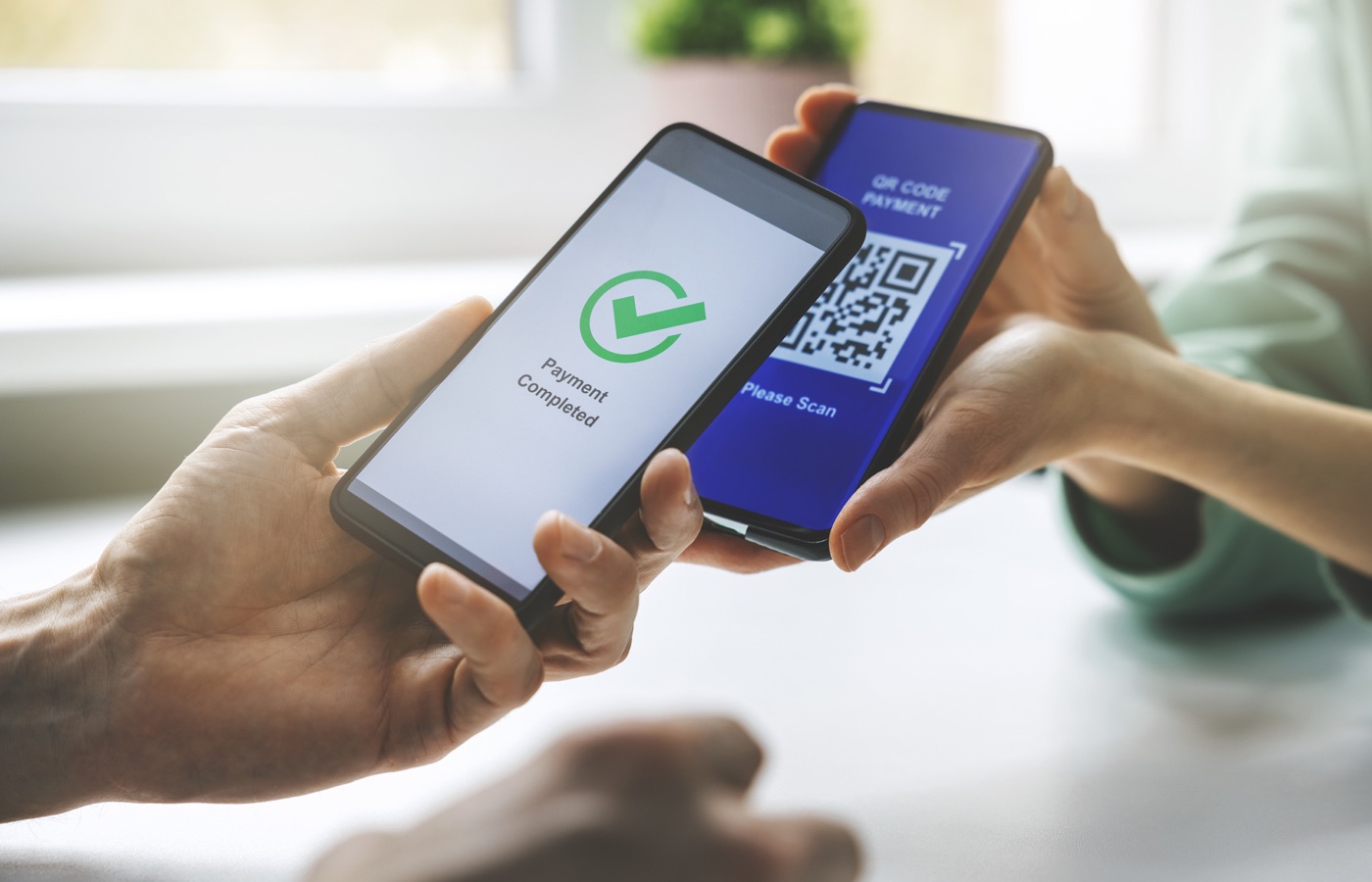
For years we have been told that a cashless society is the future. Politicians, banks, and tech companies insist that physical money is outdated and that digital payments are the path to progress. They promise convenience, safety, and speed. But when you look past the marketing, a very different picture emerges. A cashless society is not just a technological shift. It is a transfer of power away from ordinary people and toward institutions that already have too much control over our lives.
The first and most obvious danger is the loss of privacy. Cash is the last truly private way to buy anything. When you hand someone a twenty dollar bill, no one else needs to know. There is no record, no database, no trail. In a cashless world every transaction becomes a data point. Every cup of coffee, every donation, every purchase is logged, stored, and analyzed. Banks see it. Corporations see it. Governments see it. Once that information exists, it can be used, shared, or weaponized. The idea that this level of surveillance will never be abused is not optimism. It is denial.
Several countries have already embraced cashless systems, and their experiences offer both inspiration and caution. In Scandinavia, nations like Norway and Sweden have reduced cash usage to under 5 percent of transactions, with mobile apps like Vipps and Swish becoming the norm. China has seen a near-total shift in urban areas, where QR code payments via Alipay and WeChat Pay dominate daily life. South Korea, Singapore, and the Netherlands are also rapidly phasing out cash, supported by government initiatives and widespread merchant adoption. While these transitions showcase the efficiency of digital payments, they also highlight the risks of centralized control and the erosion of financial privacy, especially in countries where dissent is tightly monitored.
Supporters of a cashless system like to say that if you have nothing to hide you have nothing to fear. That argument has always been a trap. Privacy is not about hiding wrongdoing. It is about protecting personal freedom. It is about the right to live your life without being monitored. When every transaction is tracked, the government does not need to pass new laws to control behavior. It can simply pressure banks and payment processors to block certain purchases or freeze certain accounts. It can make dissent financially impossible without ever sending a police officer to your door.
We have already seen how quickly financial systems can be turned into political weapons. When governments become angry at protesters or opposition groups, the first move is often to cut off their access to money. In a cashless society that becomes effortless. A single bureaucrat can flip a switch and shut down your ability to buy food, pay rent, or travel. You do not need to be a criminal. You only need to be inconvenient to the people in power. Physical cash is a safeguard against this kind of abuse. It gives citizens a way to survive even when the political winds turn hostile.
Instability is another threat that cashless advocates prefer to ignore. Digital systems fail. Networks go down. Banks suffer outages. Cyberattacks happen every day. When everything depends on a digital payment system, a simple technical failure can bring daily life to a halt. Imagine a grocery store where no one can pay because the network is down. Imagine a city where a cyberattack freezes every bank account at once. Cash is not just a tradition. It is a backup plan. It is resilience in a world where technology is not nearly as reliable as its promoters claim.
A cashless society also deepens inequality. Millions of people still rely on cash because they do not have stable internet access, smartphones, or bank accounts. These are not fringe cases. They are the elderly, the poor, the rural, and the marginalized. For them, cash is not an inconvenience. It is survival. When a society eliminates cash, it eliminates these people from the economy. It tells them that participation is a privilege reserved for those who can afford the right devices and the right accounts.
The irony is that the push for a cashless world is often framed as progress. But real progress empowers people. It does not trap them in systems they cannot control. A society that cannot function without the permission of banks and governments is not modern. It is fragile. It is dependent. It is easy to manipulate.
The debate over cashless systems is not about technology. It is about freedom. It is about whether citizens retain the ability to make private choices, support causes they believe in, and survive political storms. It is about whether power remains distributed among the people or concentrated in the hands of institutions that have already shown they cannot be trusted with it.
Physical cash may not be glamorous, but it is one of the last tools that protects ordinary people from the ambitions of the powerful. Before we allow it to disappear, we should ask ourselves a simple question. Do we really want to live in a world where every transaction is monitored, every purchase is approved, and every dissenting voice can be silenced with the push of a button?
A cashless society may be convenient, but convenience is not worth the cost of freedom.

Leave a Reply