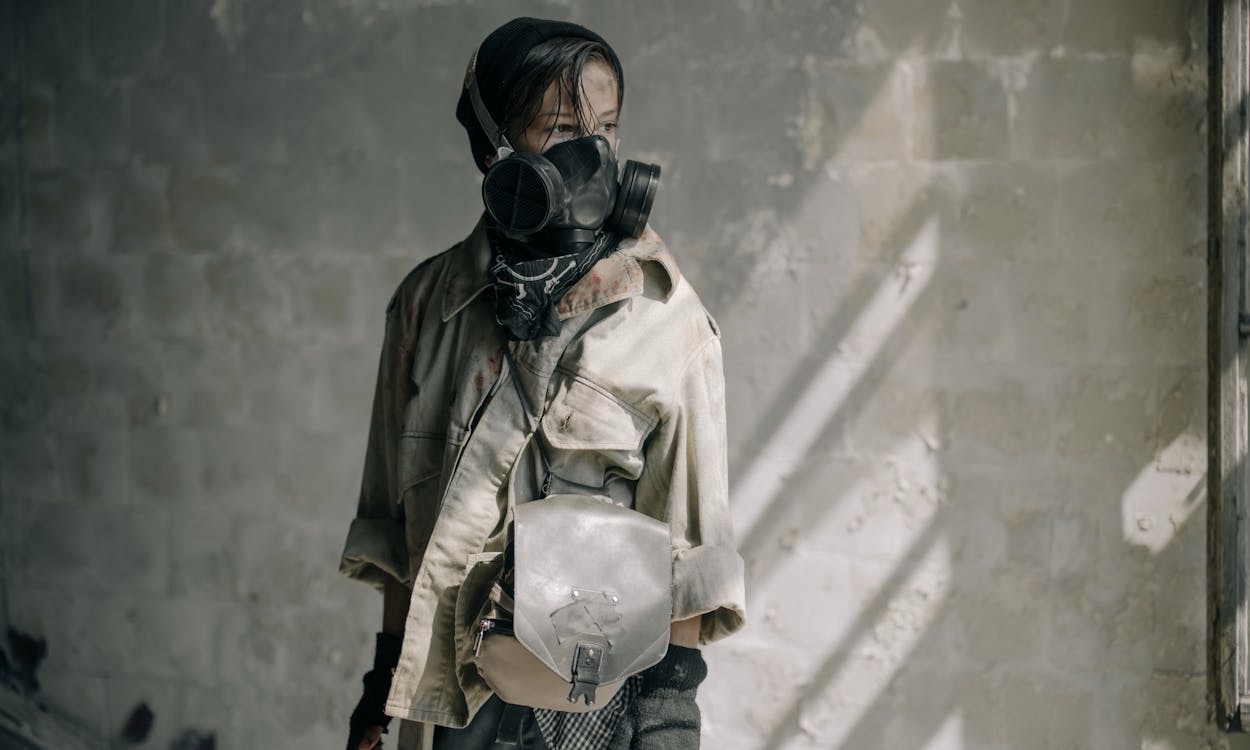
A Turning Point in the American Mindset
Across the country, a powerful shift is underway. It is happening in suburban homes, office buildings, crowded apartments, and quiet cul de sacs. It is not loud, but it is steady. It is the rise of the modern prepper, an ordinary citizen who sees the world with clear eyes and refuses to depend entirely on systems that have shown their limits.
Today’s preppers are not mountain hermits or cartoon characters living off roots in the forest. They are managers, software engineers, construction workers, teachers, nurses, retirees, and small business owners. They go to work in the morning and come home to their families at night. Yet beneath that ordinary routine is a deeper understanding of reality. They know that America is strong, but also vulnerable. They know supply chains snap, governments stall, and institutions fail. And they know that when failure comes, it is the family with supplies, skills, and courage that comes out ahead.
This is not fringe behavior. According to Finder’s 2023 survey, nearly 50 million Americans now consider themselves active preppers. That number continues to grow every year. Ammunition sales reached record highs. Generator sales soared. Long term food storage companies reported demand increases of several hundred percent. Americans of every background, and political affiliation, are preparing because they have learned the hard way that nobody can replace personal responsibility.
Why the Modern Prepper Exists
The prepper movement did not appear out of thin air. It grew out of a long series of events that exposed weakness in the systems Americans once took for granted.
When grocery store shelves went empty during the Wuhan pandemic, millions realized that the just in time supply chain kept only three days of food in stock. When Hurricane Katrina struck New Orleans, people watched a major American city descend into chaos within two days. When the Texas power grid failed in 2021, millions sat in the cold without heat or water. The Northeast blackout of 2003 showed how a single grid failure could impact over 50 million people. The Rodney King riots of 1992 showed that when law enforcement is overwhelmed, communities are left to defend themselves.
These were not lessons from foreign countries. These were lessons from right here at home.
Americans also watched prices spike. Inflation reached 9 percent in 2022, the highest in forty years. Crime surged in several major cities. BLM and Antifa riots were a nightly occurrence in our major cities. Tensions at the border increased. Geopolitical conflict created uncertainty. Every one of these conditions pushed more Americans toward the conclusion that preparedness is not extreme at all. It is smart. It is responsible. It is American.
A New Identity Rooted in Populist Strength
The new prepper is not preparing out of fear of the world. They are preparing because they believe in themselves more than they believe in distant institutions that often move slowly and answer to special interests. Preppers reject the idea that only experts or government agencies can protect them. Instead, they rely on something older and far more reliable: personal responsibility.
This movement has been called the quiet awakening of the American middle class. It is populism in its purest form. It says that the power to endure hard times belongs not to bureaucrats, but to the people.
The Real Role of Self Defense in a Crisis
Every historical collapse teaches the same harsh but undeniable truth. When normal life breaks, when stores empty, when police response times stretch, and when panic spreads, the unarmed are the first to lose what they have. It has happened in every major crisis in every part of the world.
During the riots in Los Angeles in 1992, the only businesses that consistently survived were those defended by armed citizens who refused to stand down. During the economic collapse in Argentina in 2001, crime surged so rapidly that neighborhoods without armed protection were stripped of supplies. In Bosnia during the wars of the 1990s, communities that could defend themselves survived with their food, water, and dignity intact. Those that could not defend themselves were left dependent on outside forces.
Preppers study these lessons because they understand that morality does not stop panic, and goodwill does not stop criminals.
That is why modern preppers maintain a responsible but serious defensive plan. They keep a reliable rifle, a reliable handgun, and a reliable shotgun. They store enough ammunition to defend their homes without fear of running out. They train. They practice. They focus on safety and accuracy. They do not seek conflict, but they refuse to be helpless.
A firearm without training is a decoration. A firearm with training is security, deterrence, and confidence. In addition to a side arm (Glock is among the most reliable), we advise purchasing a mid-priced AR-15 rifle and at least 20 30-round magazines, if allowed in your state. In terms of caliber, we recommend 9 mm for the side arm and 5.56 NATO caliber for the rifle. Also, you should have a reliable holster for the side arm and a quick-adjust sling for the rifle.
In the prepper mindset, protecting your home is not optional. It is sacred. And there are times where protecting the home isn’t optional and bugging out is the only way to safeguard yourself and your family.
Building a Prepared Household
A true prepper builds resilience in layers. Each layer supports the next.
Food and Water
Preppers typically start with water. One gallon per person per day is the baseline. Filtration systems and purification tools follow.
Food storage then becomes the anchor. A prepared home keeps six to twelve months of food in rotation. This includes canned goods, rice, beans, pasta, protein staples, freeze dried meals, and pantry basics. The goal is simple. When the world panics, your family will not.
Medicine and Health
A deep first aid kit, trauma supplies, prescriptions, common medicines, and hygiene goods are essential. During disasters, medical supply chains are among the first to crack.
Power and Light
Generators, gasoline, solar chargers, candles, flashlights, and battery banks keep a home functioning even when the grid fails.
Tools that Keep Life Moving
Preppers maintain simple but powerful tools that allow them to fix, build, or break through whatever stands in their way. A shovel, rope, duct tape, multi tool, crowbar, sharpening equipment, and repair kits are core essentials.
The Bug Out Plan: Leaving When Staying Is Not an Option
Preparedness also means knowing when to go. Every serious prepper has a bug out bag packed and ready. This bag carries three days of supplies, water filtration, food, clothing, fire starters, cash, maps, flashlights, communications gear, and any protective tools needed for the journey.
But the bag alone is not enough. A prepper knows where they will go, how they will get there, what roads to avoid, how to reconnect with family if communications fail, and how long they can expect to stay away. The plan is rehearsed, not improvised.
Home Hardening: Turning a House into a Fortress
A secure home does not happen by accident. Preppers fortify their homes with reinforced doors, window security film, perimeter lighting, cameras, alarms, backup power, and locked supply rooms. Criminals look for easy targets. Preppers ensure they are never the easiest house on the block.
Skills that Matter More Than Gear
Supplies run out. Skills do not. That is why preppers train in first aid, food preservation, gardening, water purification, navigation, mechanical repair, radio use, communications, and situational awareness. A skilled prepper can survive almost anywhere. Skills turn an uncertain world into a manageable one.
The Complete Prepper Checklist
A flowing, easy to understand checklist for Vox Americana readers:

Food and Water
Six to twelve months of food
Thirty to ninety days of water storage
Water filtration systems
Cooking fuel and tools
Medical
Complete first aid kit
Trauma kit
Prescription backups and Antibiotics where legally obtained
Hygiene supplies
Self Defense
Rifle
Shotgun
Handgun
Ammunition stores
Cleaning kits
Weapon lights
Body armor where legal
Regular training
Power and Lighting
Generator
Gasoline reserves
Solar chargers
Flashlights Lanterns Batteries
Bug Out Gear
Bug out bag
Three day food supply
Water and filtration
Clothing
Shelter materials
Cash
Maps
Radios
Home Security
Reinforced doors
Security film
Cameras and Motion lights
Backup power
Supply room security
Skills
First aid
Firearm proficiency
Gardening
Food preservation
Navigation
Communications
Mechanical repair
Preparedness Is America Returning to Form
The rise of the modern prepper is not a sign of fear. It is a sign of maturity. It is Americans reclaiming responsibility for their own future. It is a return to the spirit that built this country, a spirit of independence, strength, and unshakable resilience.
Preppers are not waiting for someone else to save them. They are saving themselves. And in doing so, they are reminding the country what true citizenship looks like.
Preparedness is not fringe. Preparedness is patriotism.



Leave a Reply