Introduction
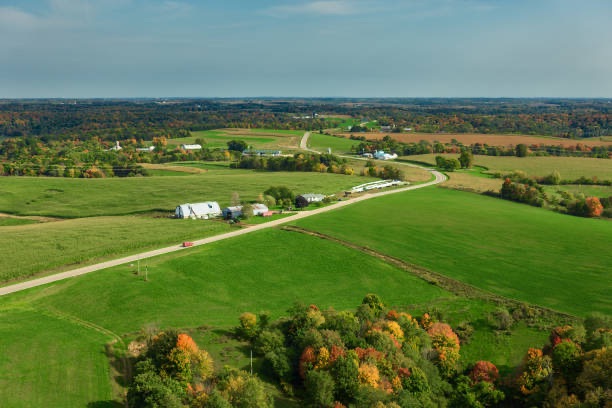
A quiet revolution is reshaping the American landscape. Millions of people are leaving crowded metropolitan areas and resettling in smaller cities, suburbs, and rural communities. This shift, accelerated by the pandemic and sustained by economic and lifestyle factors, is redefining the nation’s demographic and political map.
Migration Trends
Outbound states include California, New York, Illinois, Massachusetts, and New Jersey, which consistently rank highest for outbound migration. Inbound states include Idaho, which saw 76 percent inbound migration in 2025, along with Florida, Texas, North Carolina, South Carolina, Utah, and Tennessee. Rural growth has returned after a decade of decline, with nonmetropolitan areas growing every year since 2020, driven by domestic migration offsetting natural population loss. Roughly 25 to 30 million Americans move annually, with about 8 to 9 percent of the population relocating each year.
Reasons for Moving
Survey data and site reports highlight several consistent motivations. Affordability is a major driver, as high housing costs in metros like San Francisco, Los Angeles, New York City, and Chicago push families toward cheaper markets. Remote work flexibility allows professionals to live outside traditional job hubs. Lifestyle preferences, including the desire for space, safety, and access to nature, drive moves to rural and suburban areas. Taxes and regulation also play a role, with lower tax burdens and lighter regulation in many inbound states attracting families and businesses.
Political and Policy Dimensions
While migration is not purely partisan, the flows often align with governance models. Democratic-led states with high costs and heavy regulation are losing residents. Republican-led states emphasizing affordability, growth, and lower taxes are gaining residents. However, within these states, many of the fastest-growing metros such as Austin, Charlotte, and Nashville lean Democratic, showing that economics and lifestyle outweigh strict partisan divides.
Outbound and Inbound States
Outbound states include California, New York, Illinois, Massachusetts, and New Jersey. Inbound states include Idaho, Florida, Texas, North Carolina, and South Carolina. These flows highlight the contrast between high-cost, regulation-heavy states and those offering affordability and growth opportunities.
Implications
The implications of this migration wave extend far beyond individual households. Economically, inbound states are experiencing surges in housing demand, infrastructure needs, and consumer spending. This growth fuels local economies but also risks straining resources, creating new affordability challenges in once-cheap regions. Outbound states, meanwhile, face shrinking tax bases, slower job growth, and potential declines in political influence as congressional representation shifts with population changes.
Culturally, migration reshapes community identities. Families moving from urban centers bring new expectations for schools, healthcare, and civic engagement, often blending metropolitan sensibilities with suburban or rural traditions. This can spark both innovation and tension, as local communities adapt to demographic change. Politically, the movement of residents alters the electoral map. While many inbound states are Republican-led, the influx of migrants from Democratic strongholds introduces new dynamics, potentially moderating or even flipping local politics over time.
For policymakers, the lesson is clear: migration is both a challenge and an opportunity. Regions that balance affordability, infrastructure, and livability will thrive, while those that fail to adapt risk long-term decline. The Great American Migration is not only a demographic shift but also a test of governance, revealing which states and communities can deliver sustainable prosperity in a changing nation.
Conclusion
The American migration story is not simply about politics. It is about affordability, opportunity, and quality of life. Yet the partisan overlay is undeniable. People are leaving high-cost, Democratic-led states and flocking to Republican-led states that promise growth and affordability. For policymakers, the lesson is clear. Governance that balances opportunity with livability will determine which regions thrive in the decades ahead.
Sources: Allied Van Lines, Newsweek, ConsumerAffairs, USDA ERS, Harvard JCHS




Leave a Reply