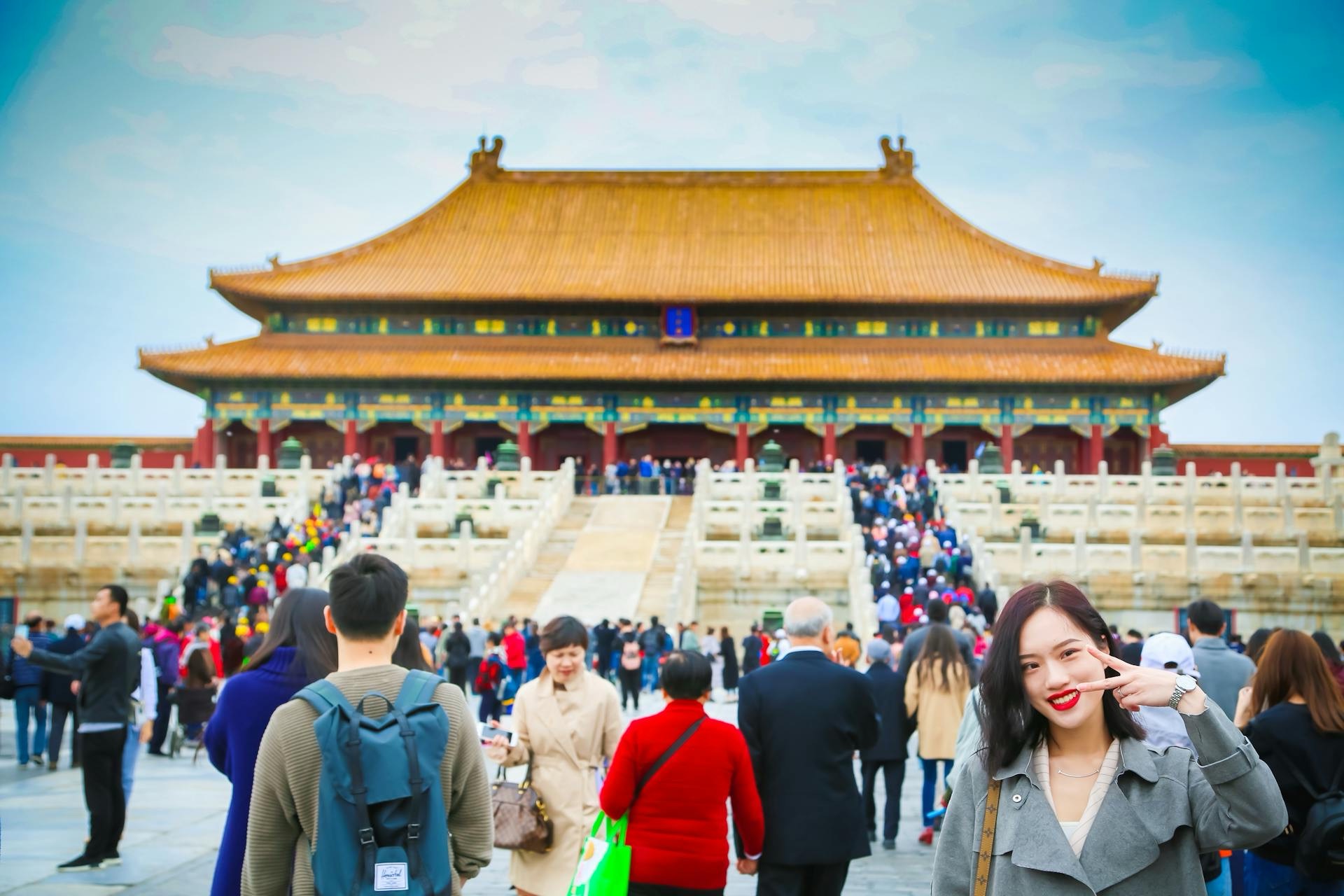
In the global arena, China is often portrayed as an unstoppable superpower, a colossus poised to eclipse the United States and reshape the world order. This narrative, fueled by Beijing’s economic ascent and military posturing, has permeated media, policy circles, and public discourse.
Yet, a closer examination reveals a more nuanced reality—one where China’s strengths are overstated, its vulnerabilities glaring, and its superpower status more illusion than fact. While conceding China’s role as a manufacturing powerhouse on which the U.S. and its allies have grown reliant, it’s clear this dependency is waning, driven by lessons from recent crises that expose the risks of overreliance on an unreliable partner.

China’s dominance in manufacturing is undeniable; it produces everything from electronics to pharmaceuticals, supplying chains that underpin Western economies. However, the COVID-19 pandemic laid bare the perils of this arrangement. As the virus spread from Wuhan, Beijing hoarded vital medical supplies, including masks, gowns, and gloves, while downplaying the outbreak’s severity to stockpile imports.
This led to global shortages, prompting a U.S. federal judge in Missouri to hold China liable for $24 billion in damages for its actions. More recently, China’s moves on rare earth minerals—critical for everything from electric vehicles to defense tech—have underscored the need for decoupling. In October 2025, Beijing imposed export controls on these elements, only to suspend them amid backlash, highlighting its weaponization of supply chains. These incidents have accelerated Western efforts to diversify, diminishing China’s leverage and revealing its economic power as more fragile than formidable.
Militarily, the gap is even starker. The U.S. and its allies maintain unchallenged control over the air, seas, and underseas domains. China’s navy, the world’s largest by hull count with 234 warships, may look impressive on paper, but it lacks the experience and sophistication to project power globally. Rapid expansion has outpaced training, leaving crews inexperienced, while technology remains unproven and supply ports are confined to its immediate shores. In space, the disparity is profound: U.S. satellites are far more advanced, with America leading in lunar exploration, low-Earth orbit stations, and broadband capabilities, while China’s launches, though increasing, lag in quality and innovation.
China’s track record in conflict further undermines its superpower credentials. It hasn’t secured a decisive victory in a major war in the past century. The last clear successes were in ancient or mid-20th-century skirmishes, like the Korean War (debatable as a win) or the Civil War against nationalists. Its massive land army, the world’s largest, is largely irrelevant in modern warfare, as no adversary is planning a ground invasion of mainland China. Instead, this force serves more as a tool for internal control, ensuring loyalty to the Chinese Communist Party (CCP) rather than preparing for external threats.
Internal dynamics compound these weaknesses. The People’s Liberation Army (PLA) prioritizes ideological purity and CCP loyalty over merit-based promotions, stifling initiative and quick decision-making essential in combat. This rigid hierarchy, rooted in political control, contrasts sharply with Western militaries’ emphasis on flexibility and expertise, potentially dooming PLA commanders in high-stakes scenarios.
Nowhere is China’s overreach more evident than in the Taiwan question. An invasion would be a logistical nightmare. Taiwan’s island geography favors defenders, with rugged terrain, limited landing beaches, and urban density complicating any assault. China would need to transport troops across the strait, exposing amphibious fleets to missiles from land, sea, and air—vulnerabilities its untested navy might not survive. Taiwanese resistance would be fierce; the majority opposes occupation, forcing house-to-house fighting and heavy bombardment that could reduce the island to rubble. Beijing doesn’t just want the land. It covets Taiwan’s tech, banking, and business sophistication. Obliterating that would yield a pyrrhic victory at best. Failure, however, could spell doom for the CCP, sparking domestic unrest and potential overthrow as economic fallout erodes public support.
Economically, war would be suicidal for an export-dependent giant. China’s economy thrives on global shipping lanes, which any conflict—especially over Taiwan—would disrupt, halting exports, revenue, and employment. Isolation from the world market would follow, as allies rally against aggression. Compounding this, China isn’t self-sufficient in food; its production meets only about 82-91% of needs, relying on imports that war would sever, risking famine for its 1.4 billion people.
This brings us to a longstanding pattern: China’s history of “paper tiger” deceptions, inflating its capabilities to intimidate foes while masking weaknesses. From strategic feints in ancient texts to modern perception management, Beijing excels at projecting strength it may not possess. Intelligence assessments suggest the PLA, while numerically imposing, falls short of modern warfare standards, with much of its arsenal unproven in real conflict. The army’s size? More for propping up the CCP than global domination.
In sum, China’s superpower image crumbles under scrutiny. Its manufacturing edge is eroding, military prowess overhyped, and economic model brittle. Rather than cower before this paper tiger, the West should accelerate diversification, bolster alliances, and expose the bluff. True superpowers don’t just build—they endure, innovate, and win. On those fronts, China has much to prove.


Leave a Reply